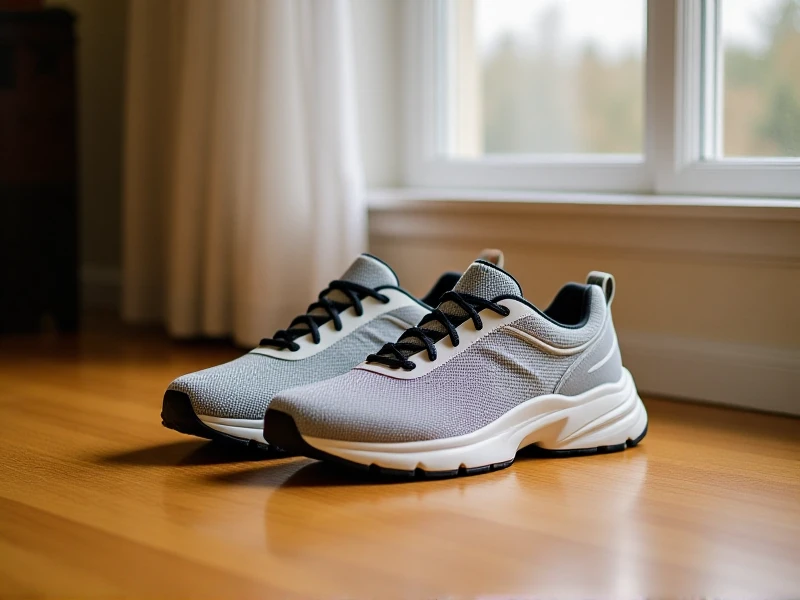
Running Shoes: Your Ultimate Guide to the Perfect Fit & Performance
Finding the right running shoes isn't just about style; it's about unlocking your best performance and protecting your body mile after mile. The vast array of options can be overwhelming. Understanding the core features and matching them to your unique running needs is essential for every runner, whether a beginner taking your first steps or a seasoned marathoner pushing for a PB.
Fit reigns supreme. Your running shoes should feel snug but not tight, with ample space (about a thumb's width) between your longest toe and the end of the shoe. Heel slippage or pinching widths indicate an improper fit, leading to discomfort or even injury over long distances. Visit a reputable running store for a professional gait analysis to determine if you need neutral shoes, stability support for mild overpronation, or motion control for significant overpronation. The best shoe feels supportive and natural right out of the box, without a demanding break-in period.
Consider where you primarily pound the pavement or trail. Running shoes are meticulously engineered for different terrains and purposes:
- Road Running Shoes: Designed for asphalt and concrete, these prioritize cushioning to absorb repeated impact. Look for durable outsoles and responsive midsoles for a smoother experience on hard surfaces.
- Trail Running Shoes: Featuring aggressive lugs for superior grip on dirt, mud, rocks, and roots. They often include protective rock plates and enhanced stability features for uneven terrain.
- Speed & Racing Shoes: Lightweight and highly responsive, often featuring innovative foam compounds and aggressive geometries to maximize energy return. Ideal for race day or speedwork sessions.
- Minimalist/Barefoot Shoes: Offer a natural ground feel with minimal cushioning and heel drop, encouraging a more midfoot/forefoot strike.
Key performance elements include the cushioning system and the heel-to-toe drop. Cushioning ranges from highly plush maximal designs (great for long distances and higher impact absorption) to lightweight minimalist options (favoring ground feel). The drop (measured in millimeters) is the height difference between the heel and forefoot. A higher drop (e.g., 10-12mm) can aid heel strikers, while a lower drop (0-6mm) often suits midfoot/forefoot strikers seeking a natural stride. Breathable uppers ensure comfort and temperature control.
Choosing the perfect running shoes is a highly personal journey. Prioritize impeccable fit tailored to your foot shape and gait. Assess your primary running environment and goals. Don't hesitate to test different models – the right pair supports your stride, boosts your confidence, and transforms every run. Ready to find your match? Lace up and hit your next run in shoes designed to move with you.