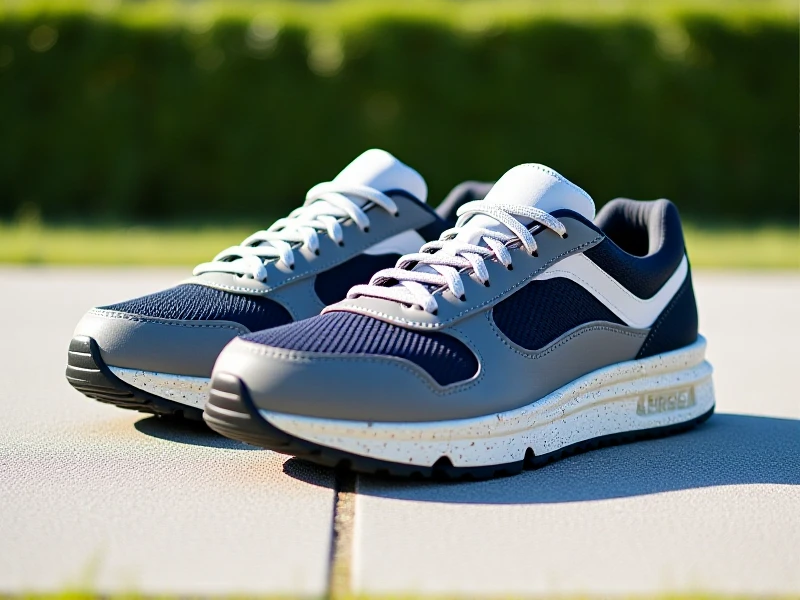
Your Ultimate Guide to Choosing the Best Running Shoes for Peak Performance
Running shoes aren't just footwear—they're your foundation for every stride, making or breaking your workout. As an avid runner myself, I've seen how the right pair transforms runs into enjoyable, injury-free experiences. Whether you're tackling a 5K or logging daily miles, selecting the perfect running shoes comes down to understanding your needs. Start by assessing your foot type. Are you a neutral runner, or do you need stability shoes for overpronation? Many local stores offer gait analysis, which reveals your stride mechanics—a game-changer for long-term comfort and injury prevention. Always remember to try on shoes later in the day when your feet are slightly swollen, simulating real running conditions.
Next, consider the terrain and cushioning. For road running, choose lighter shoes with ample padding to absorb impact, reducing joint stress. If trails are your calling, opt for rugged trail shoes with aggressive treads for grip and stability. Factors like your weight and running style matter too: heavier runners benefit from extra cushioning, while forefoot strikers might prefer minimalist designs for a more natural feel. Quality running shoes boost endurance, prevent blisters, and enhance speed, allowing you to focus on personal bests instead of nagging aches. Brands like Nike and Brooks excel here, offering innovations like responsive foam and breathable mesh for a custom fit.
Finally, prioritize fit over trends. The best running shoes should feel snug in the heel, have wiggle room for your toes, and avoid any tight spots during a test jog. Replacing them every 300-500 miles ensures optimal support, as worn-out midsoles lose shock absorption. Investing in the right pair pays off with improved posture, fewer injuries like shin splints, and overall running joy. So, lace up smartly and hit the pavement—your feet will thank you. Share your shoe stories in the comments and happy running!